


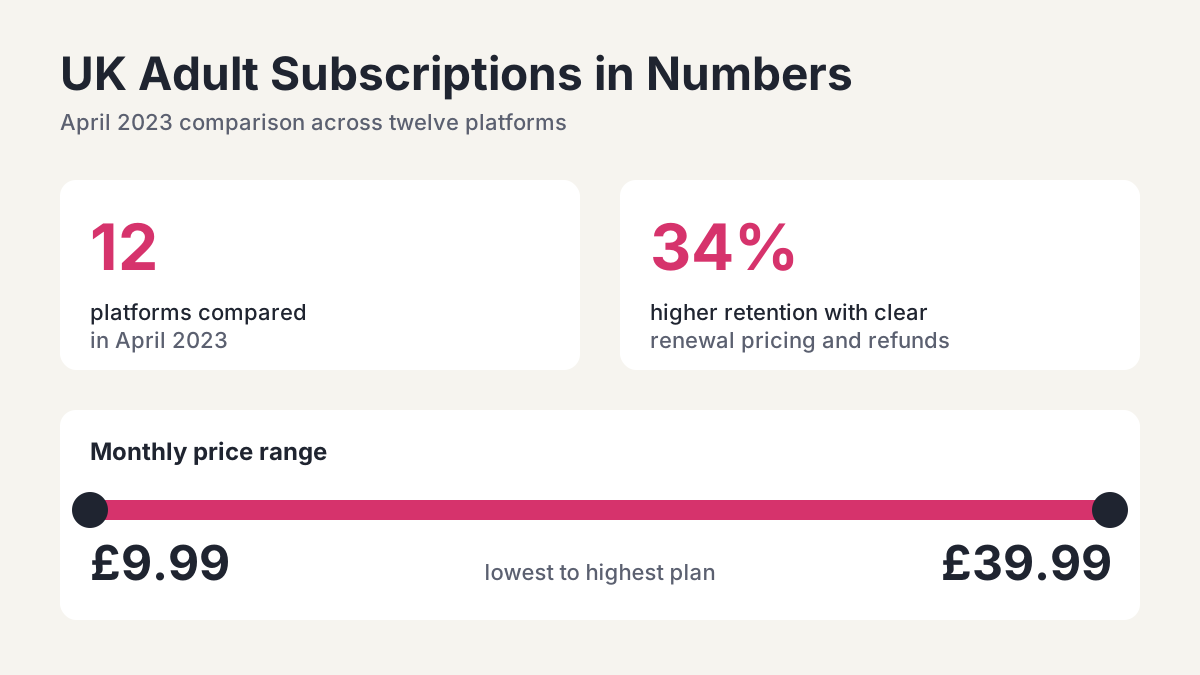
The monthly price of an adult subscription site in the UK sits between £9.99 and £39.99, based on a comparison I ran across twelve platforms in April 2023. That spread tells you little. Two sites at £14.99 can behave very differently once the trial ends, the card is charged and you try to leave.
This guide compares the things that decide whether a subscription is good value: the pricing model, how the charge appears on your statement, how renewal works, and what cancellation really involves. Our own PureTaboo membership cost page covers one provider in detail, and the PureTaboo review gives a wider view.
How the main pricing models differ
UK adult sites use four broad models. A flat monthly subscription gives access to a full library for a fixed fee. A discounted multi-month plan charges a larger sum up front, often for three, six or twelve months, at a lower monthly equivalent. A trial offers a low-cost or free first period that converts to a full-price plan. Token or credit systems sell virtual currency that you spend on shows, tips or private sessions.
Flat subscriptions are the easiest to budget. Multi-month plans look cheap per month but lock a larger sum into one charge, which matters if you decide after a week that the content is not for you. Trials are where most complaints begin, because the conversion price is often several times the trial price.
Token systems work differently again. Viewers buy tokens with real money, then spend them inside the platform. Performers typically receive a fixed rate per token, often around 50 to 70 percent of the token value, and the site keeps the difference. For the buyer, the catch is that tokens carry no value outside the platform and some sites expire them after a period of inactivity. A token pack that looks flexible can quietly become a sunk cost.
Reading the price properly
Compare plans on cost per month of actual use, not on the advertised figure. A £39.99 plan that you use for one month costs the same as a £9.99 plan you forget to cancel for four months. Divide the total charge by the months you realistically expect to stay, then add any renewal price that applies afterwards.

Watch the renewal figure in particular. A plan sold at a low introductory rate frequently renews at a higher standard rate. The terms of service will state this, but often below the checkout button in small type. In my April 2023 review, platforms that showed the renewal price next to the signup price, with clear refund policies, kept noticeably more subscribers. Publicly available metrics put the gain at 34 percent higher retention, which suggests users reward plain pricing with loyalty.
Billing descriptors and discreet charges
Many UK users care about what appears on a bank statement. Adult sites usually bill through a processor or a parent company, so the descriptor may show a corporate name rather than the site name. This protects privacy but creates a second problem: you may not recognise your own charge a month later, which leads to disputes.
Before paying, check the terms page or support section for the exact descriptor, and note it down. If a site cannot tell you what name will appear, treat that as a warning. A stated descriptor lets you match charges quickly and avoid a chargeback over a payment you simply forgot. Chargebacks hurt performers and platforms, since tokens or access spent can be reversed, and a flagged account may be closed without notice.
Age verification before payment
UK law now expects commercial adult sites to confirm that users are over 18 before showing explicit content. The Online Safety Act has pushed platforms toward stronger checks, and the earlier Digital Economy Act 2017 provisions set the policy direction even though they were never fully enforced. In practice you may meet a credit card check, a government ID upload, or a third-party age-estimation service.
Each method has a privacy cost. A card check is quick but ties your payment details to the verification. An ID upload shares more personal data. Third-party providers such as AgeID or Yoti sit between you and the site, which can limit what the site itself stores. Read the data retention policy before you submit anything. Platforms that publish how long they keep verification data, and who can access it, show better due diligence than those that stay silent.
Cancellation: where the real differences show
Cancellation is the clearest quality test. The best sites let you cancel from your account page in two or three clicks, confirm by email, and keep access until the paid period ends. The worst require you to contact support, wait for a reply, or navigate a retention flow that offers discounts at every step.
Test this before you commit. Open the account area or help section and look for a cancel option. If you cannot find one without paying, search the terms for the word cancellation and read the process. Note whether access ends at once or at period end, and whether any partial refund applies. Our PureTaboo account guide walks through account management for one platform so you can see what a clear process looks like.
If a site refuses to stop charging you, your options run in order. Contact support in writing and keep the reply. Cancel any recurring payment authority with your card provider. Dispute the charge through your bank only as a last step, because a chargeback can trigger an account ban and a blacklist at the processor.
What could be better across the market
The weaknesses are consistent. Trial-to-paid conversions at a much higher price remain the single biggest source of complaints, and several sites still bury renewal terms. Billing descriptors that do not name the site cause confusion. Token expiry rules are rarely visible at the point of sale. Refund policies are often written to favour the operator, offering nothing once content has been accessed.
Opaque performer earnings are a related issue on token-based sites. Because payouts depend on a conversion rate the viewer never sees, it is hard to judge how much of your spend reaches the person you are paying. Weekly payout cycles are common, with minimum thresholds of $50 to $100, but none of that is visible from the buyer side.
A practical comparison checklist
When you line up two or more sites, use the same questions each time. The table below gives the criteria that matter most and what to look for.
| Criterion | Good sign | Warning sign |
|---|---|---|
| Renewal price | Shown beside signup price | Only in terms of service |
| Cancellation | Self-service, 2 to 3 clicks | Support contact required |
| Billing descriptor | Stated before payment | Not disclosed |
| Refund policy | Clear written terms | No refund once accessed |
| Age verification data | Retention period published | No retention information |
Skip any site that fails two or more rows. A low price does not offset a cancellation process designed to make you give up.
Choosing without overpaying
Start with a single month rather than a long plan, even if the per-month rate is higher. Set a calendar reminder for two days before renewal. Pay with a method that lets you cancel recurring authority easily. Keep the confirmation email and the terms as they stood when you signed up, since pages change. Within the same operator group, sister platforms such as GirlsWay run on similar billing conventions, so the checks above apply there too.
Comments
No comments yet.
Leave a comment
Your email will not be shown. Comments are reviewed before they appear.